What Is An NFT (Non Fungible Tokens)?
Key takeaways from the article:
- An NFT represents digital proof of ownership, not merely an image or file;
- The uniqueness of an NFT is secured by blockchain technology;
- NFTs are used not only in art, but also in gaming, ticketing, metaverses, and access-based programs;
- The NFT market includes transaction fees, royalties, and inherent risks;
- When working with NFTs, the most important considerations are wallet security and a clear understanding of ownership rights.

Trade cryptocurrency on WhiteBIT
What Does NFT Mean?
An NFT is a unique digital token on a blockchain that verifies ownership of a specific digital asset or a real-world object associated with it, such as an image, music track, video, in-game item, ticket, document, domain name, or another type of asset.
NFT stands for Non-Fungible Token. Unlike standard cryptocurrencies, where one coin is interchangeable with another of the same type, each NFT is distinct. It has its own identifier, ownership history, and metadata recorded on the blockchain.
In simple terms, an NFT crypto functions as a digital certificate of authenticity and ownership that cannot be copied as easily as a regular file. The image or video linked to an NFT can still be saved, but ownership of the original token is recorded on the blockchain.
How NFTs Work?
NFTs operate on a blockchain, which records when the token was created, who owns it, and how ownership has changed over time.
The process of creating an NFT is called minting. During minting, a blockchain record is created for the token, its owner, and its metadata. The file itself is usually stored off-chain, while the NFT contains a link to that file.
The transfer or sale of an NFT is executed through a smart contract. Once the transaction is completed, the token is transferred to the new owner’s wallet address, and the transaction is recorded on the blockchain.

Types of NFTs
There are different types of NFTs, depending on the asset they represent. The most common include images, trading cards, avatars, and rare collectibles. Gaming NFTs form a separate category and can be used as characters, skins, weapons, land, or other in-game items.
NFTs are also used for music, videos, tickets, access to private communities, virtual real estate, and the verification of ownership of real-world assets. For example, a token may grant its holder access to an event, project-related benefits, or a digital object within the metaverse.
Examples of NFTs
Here are several notable NFT examples in 2026:
- FIFA Collect Right-to-Ticket is a digital collectible asset that can be linked to access to a ticket for a 2026 FIFA World Cup match.
- Pudgy Penguins is an NFT collection that has expanded beyond marketplaces into a broader consumer brand, including toys, games, and digital characters.
- Telegram digital collectible gifts represent another emerging format used by celebrities and brands. For example, Snoop Dogg released his own digital collectibles drop on Telegram. These collectibles can be stored in a user profile, transferred to other users, and used within the TON ecosystem.
NFT Market Mechanics
NFTs are typically listed by the creator, brand, project, or current token owner. They connect their crypto wallet to the marketplace, upload a file or select an existing crypto NFT, and specify the price, sales format, and network. This can be a fixed price, an auction, or an open offer from the buyer.
Payment in advance is not always required. On some platforms, listing is free, and with lazy minting, the NFT is created on the blockchain only at the moment of purchase. In this case, part of the costs is passed on to the buyer. If the NFT is minted immediately, the creator usually pays the gas fee – the network’s commission for recording the transaction on the blockchain.
Several types of fees are charged upon sale. The marketplace may charge a service fee to the seller, the buyer, or both parties. The network separately charges gas for the transaction. If royalties are set up for the collection, a portion of the amount may be automatically transferred to the creator upon resale. Typically, such payments are made in the network’s native currency or a trading pair: ETH,SOL,TON,POL, or another supported cryptocurrency.
Benefits And Risks Of NFTs
From a technological standpoint, the key advantage of NFTs is that they make it possible to verify ownership of a digital asset through the blockchain. Such a token cannot simply be copied like a regular file: the image itself can be duplicated, but the ownership record remains on the network. NFTs also create new monetization models for creators, brands, gaming projects, and communities, ranging from digital collections to event access, bonuses, and exclusive services.
At the same time, the main drawbacks are not tied to NFT technology itself, but to the way it is used in the market. The value of these assets often depends on demand, the project’s reputation, and community activity, which means NFTs can lose value quickly. In addition, purchasing a token does not always grant copyright to the underlying file. Other risks include fraudulent collections, fake links, user errors, and network fees, which can increase transaction costs.
One common scam involves sending fake NFTs to users’ wallets. The image attached to such a token may include a message such as “claim your drop” along with a link. The scheme is simple: the user visits a third-party website, connects their wallet, and loses their funds, because by signing the transaction, they may authorize the transfer of various tokens without additional confirmation.
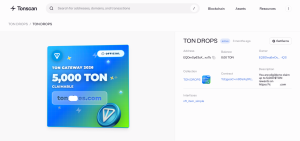
Example of an NFT scam. Source: https://tonscan.com/

NFT Security And Storage
NFTs are not stored as regular files on a device, but at the user’s blockchain address. To access them, you need a crypto wallet, such as MetaMask, Trust Wallet, Ledger, or another wallet that supports the relevant network. The NFT itself remains on the blockchain, while the wallet allows you to view the token, transfer it, sell it, or use it on NFT platforms.
The main rule for storing NFTs is wallet security. Do not share your seed phrase, click on suspicious links, or sign transactions you do not understand. For valuable NFTs, it is better to use a hardware wallet and store collectible assets separately from the wallet you use to regularly access websites. It is also worth periodically reviewing and revoking unnecessary smart contract permissions to reduce the risk of asset theft.
NFTs are not stored as regular files on a device, but are associated with the user’s blockchain address. To access them, you need a crypto wallet, such as MetaMask, Trust Wallet, Ledger, or another wallet that supports the relevant network. The NFT itself remains on the blockchain, while the wallet allows you to view the token, transfer it, sell it, or use it on NFT platforms.
The main rule for storing NFTs is wallet security. Do not share your seed phrase, click suspicious links, or sign transactions you do not understand. For valuable NFTs, it is better to use a hardware wallet and keep collectible assets separate from the wallet you regularly use to connect to websites. It is also worth periodically reviewing and revoking unnecessary smart contract permissions to reduce the risk of asset theft.
Taxes and NFTs
NFT taxation depends on the country, the user’s status, the type of transaction, and how the asset was used: whether it was purchased, sold, created, transferred, or used for commercial purposes. These transactions may be treated differently across jurisdictions, so there is no universal rule. To assess tax obligations accurately and avoid reporting errors, it is advisable to consult a tax or legal professional in advance.
The Future Of NFTs
NFTs have evolved from a hype-driven trend into a tool that is gradually finding practical use cases. The market has matured: investors and users now pay less attention to grand promises and focus more on real utility, team transparency, and ecosystem sustainability. This is why the future of NFTs will likely be connected not only to NFT art, but also to gaming, digital identity, ticketing, and access-based programs.
Trade cryptocurrency on WhiteBIT
Conclusion
NFTs are one example of how blockchain is reshaping the concept of ownership in the digital environment. While files could previously be copied endlessly without a clearly verifiable owner, NFTs make it possible to record an asset’s uniqueness and ownership history on the network.